 Geirangerfjord Cruises
What to Wear on a Fjord Cruise in Norway (Geiranger Packing Guide)
Last reviewed August 2026
What to wear on a fjord cruise in Norway comes down to layers and a windproof shell, since the water and the wind chill are the two things a warm day on land won't prepare you for. Tours here provide the technical gear that matters most, survival suits on the RIBs, dry suits on the kayak trip, heated lounges on the catamarans, so what's left on your packing list is genuinely short. The fjord itself sets the baseline: water stays under about 14 degrees Celsius even at the height of summer, and wind chill at RIB speed is intense in July as much as in September.
Quick answer
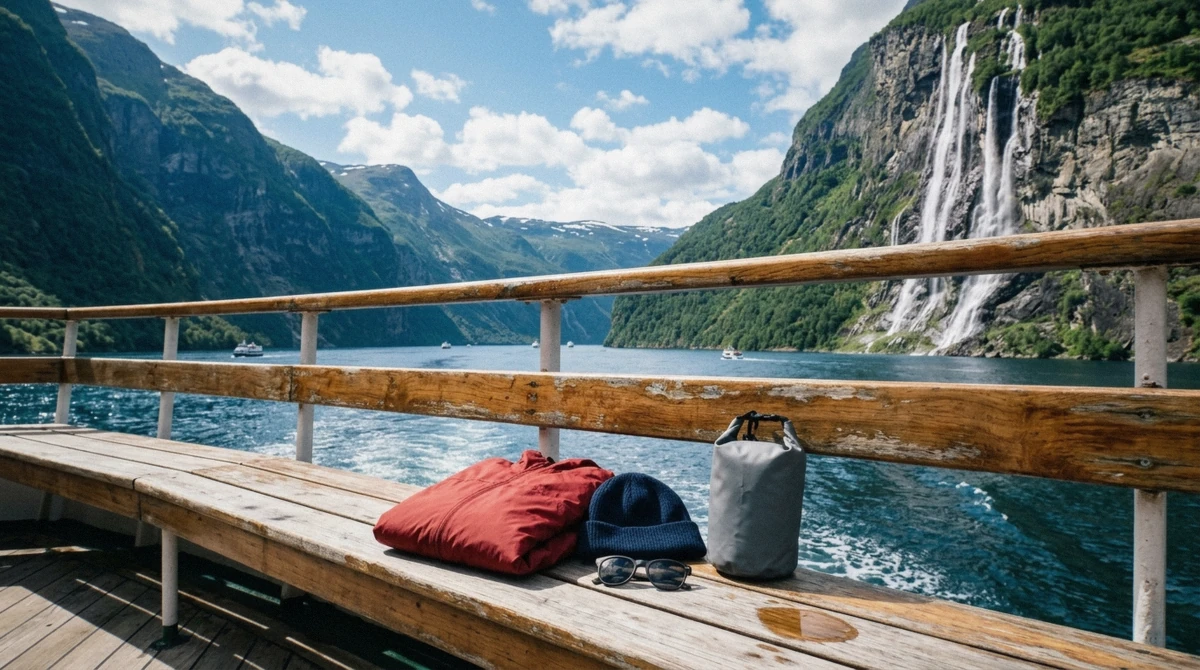
Wear moisture-wicking base layers under a windproof, water-resistant shell, and closed-toe shoes with grip for wet decks. Operators provide the technical gear: survival suits and goggles on the RIB trips, dry suits on the kayak tour. You supply the layers underneath and a warm hat for open-deck stretches.
Key takeaways
- RIB and kayak operators provide the survival suits, dry suits and life jackets; you bring warm layers underneath
- The one thing not to wear is cotton under a RIB suit, it stays wet and cold
- Fjord water stays under about 14°C year-round, so a windproof shell matters even on warm days
- Closed-toe shoes with grip beat sandals on every boat deck in this comparison
- Packing shifts by season, the winter cruise needs real cold-weather layers
What to Wear
Base layers
A moisture-wicking base layer, long-sleeve top and leggings or quick-dry trousers, does the real work under any of the water tours. Cotton is the one fabric to avoid here: it soaks up spray and stays cold against the skin for the rest of the trip, while a synthetic or merino base layer dries as you move and keeps its warmth even damp.
Windproof shell
A windproof, water-resistant jacket goes over the base layer on every boat in this comparison, RIB, kayak or catamaran alike. Wind chill at RIB speed is intense even in July, and the open decks on the sightseeing catamarans catch the same wind at a lower but still noticeable level. A packable shell that folds into a day bag covers both without adding bulk.
Footwear with grip
Closed-toe shoes with a grippy sole are the right call for every deck in this comparison, wet from spray or rain more often than not. Sandals and flip-flops lose their footing the moment a deck gets slick, and there is no upside to the extra risk. A pair of trail shoes or sneakers with real tread covers the boats, the village walk and the Waterfall Walk's uneven steps equally well.
RIB dressing: what goes under the survival suit
The RIB tours hand out a full survival suit over your own clothes, so dress as if the suit weren't there. Warm base layers, a fleece or light insulated layer, and a hat that fits under the suit's hood keep you comfortable once the boat is at speed. The suit blocks wind and spray, it doesn't generate warmth on its own.
One outfit, more than one boat
Because most itineraries here mix a water tour with a walk through the village or up to the Norwegian Fjord Centre, the same layered outfit generally works for both without a full change of clothes. Peel the shell off for the walk if the sun is out, put it back on for the return leg to the boat. The one exception is a RIB or kayak trip, where the operator's suit goes over whatever you're already wearing, so plan the layering with that step in mind rather than dressing for the walk alone.
What to Bring
Checklist
Beyond the layers above, this short list covers what tours don't hand you.
- Dry bag, keeps your phone and camera safe on an open boat
- Sunglasses, glare off the water is real even in cloud
- Gloves, worth packing shoulder season and for the winter cruise
- Warm hat, fits under a RIB suit hood and blocks wind on any deck
- Reusable water bottle, no shops once you're on the water
- Change of socks, wet feet from spray happen even in dry suits
- Motion-sickness tablet, worth having for the longer Ålesund crossings
- Small towel, useful after the waterfall-tasting stop or any spray
- Cash in small notes, for the tourist information ticket window
- Backup strap for glasses, useful under a RIB hood where frames shift
What Tours Provide (So You Don't Overpack)
The differentiator table
What each tour hands you versus what stays on your own list, drawn from the actual gear each operator includes.
| Item | Usually Provided | Bring Your Own | Notes |
|---|---|---|---|
| Survival suit | Yes, on the RIB tours | No | RIB fjordsafari includes suit, life jacket and goggles |
| Goggles | Yes, on the RIB tours | No | Included with the survival suit on the fjordsafari |
| Life jacket | Yes, on every boat tour | No | Standard on the 75-minute guided boat and every other listing |
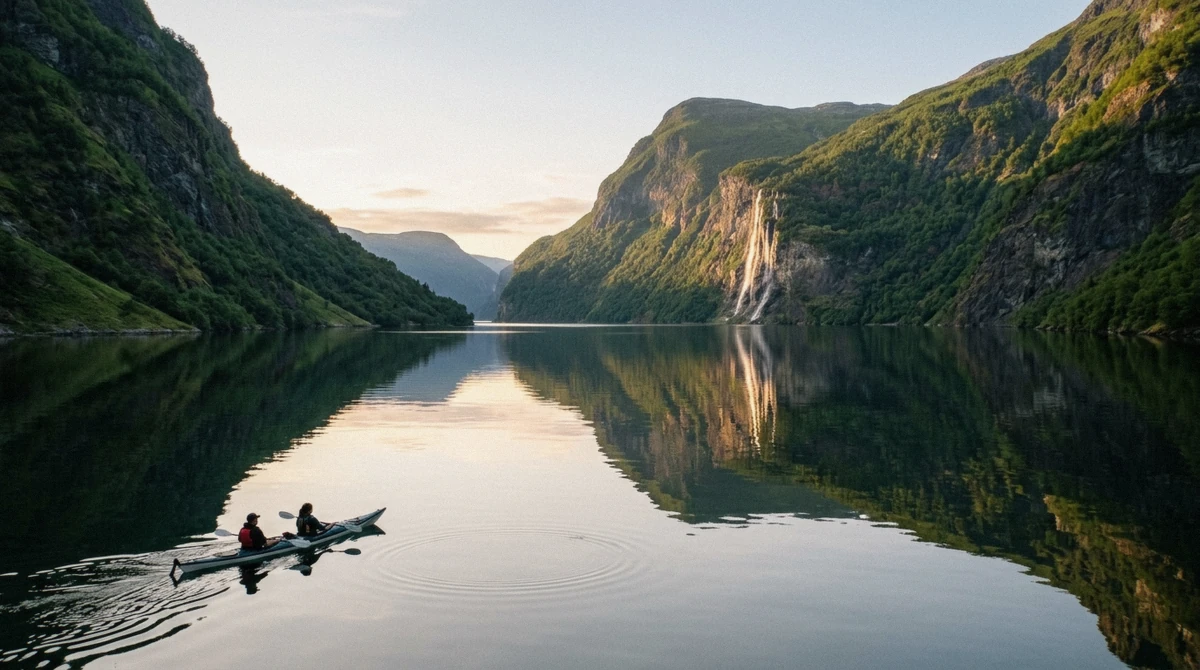
| Dry suit | Yes, when needed | No | Kayak tour includes dry suit and spray skirt |
| Spray skirt | Yes | No | Comes with the dry suit on the kayak tour |
| Waterproof jacket and gloves | Yes, handed out in rain | Bring a backup layer | Kayak tour lends these only when the weather calls for it |
| Heated indoor seating | Yes, on the catamarans | No | Deck cover is on you; the lounge itself is heated |
| Warm base layers | No | Yes | No tour in this catalog supplies clothing worn under the gear |
| Lunch and coffee | Yes, on the winter cruise | No | Winter cruise from Ålesund includes a light lunch and afternoon coffee |
| Windbreaker or shell | No | Yes | Even heated-lounge boats have open-deck sections for photos |
Reading the Table Honestly
Where tours differ most
The biggest gap in the table above sits between the RIB and kayak trips, which hand over full technical gear because the activity demands it, and the sightseeing catamarans, which need almost nothing beyond your own layers because the ride itself is sheltered. A traveler doing both in the same visit should pack for the RIB or kayak trip and treat the catamaran as the easy day by comparison, not the other way around.
Packing for the whole day, not just the boat
Most visits here combine a water tour with time on land, whether that's a walk through Geiranger village, the climb up the 327-step Waterfall Walk, or a stop at the Norwegian Fjord Centre. Pack with that full day in mind rather than the boat alone: a day bag that fits the dry bag, an extra layer and a snack covers the gaps between activities without needing to return to a hotel room to switch gear.
What NOT to Wear or Bring
The avoid list
Sourced from what operators actually flag as unsuitable, not generic travel advice.
- Cotton-only layers under a RIB suit, they stay wet and cold for the whole trip
- Slick-soled shoes or sandals, unsafe on any wet deck in this comparison
- An umbrella on an open deck, it fights the wind and blocks other passengers' views
- Shorts on the winter cruise, open-deck stretches at 3 to 4 degrees Celsius make them a poor choice
- Heavy jewelry on the RIB or kayak trips, easy to lose in the spray or under a suit
Packing by Season
Summer, June to August
Daytime highs run 16 to 18°C, warm enough for a t-shirt and shorts on land, but the fjord water stays under 14°C and spray off any open boat cuts through summer clothing fast. A base layer and windproof shell still earn their place in the bag even in July; see our best time to visit guide for the month-by-month breakdown.
One more habit worth copying from the crews: dress for the deck, not the cabin. Every boat on the fjord has warm indoor seating, so the question is never whether you can survive the day, it is whether you can stand outside for the twenty minutes that matter, at the waterfall stop, without counting the seconds. Pack for those twenty minutes and the rest of the cruise takes care of itself.
| Season | Daytime air | Fjord water | What changes on deck |
|---|---|---|---|
| June to August | 16 to 18°C | Up to about 14°C | Sun on the water, cold spray at speed; windproof shell still earns its place |
| September | Around 15°C | Cooling fast | More rain days; gloves and a warm hat stop being optional on the RIBs |
| October to April | 3 to 4°C by day | Cold year-round | Winter cruise only; insulated layers plus full windproofs for deck stretches |
September, the shoulder month
September drops to about 15°C with more rain than the summer months, so the shell moves from optional to essential and a warm hat is worth packing rather than hoping for. Layers you can add or shed matter more here than in high summer, since the weather swings more within a single day.
Winter cruise
The winter cruise from Ålesund means dressing for 3 to 4°C days with real open-deck stretches, not just a chilly breeze. Insulated layers, a proper winter coat, gloves and a hat that covers the ears are the baseline here, closer to alpine dressing than a summer boat trip.
Dressing for the Photographs
What reads well against grey water
A bright shell in red, yellow or orange stands out against grey water and green cliffs in a way that navy or black simply doesn't, and it's a small choice that makes every photo from the boat look better. A hood also beats an umbrella here, it keeps your hands free for the camera and doesn't fight the wind the way an umbrella does on an open deck.
Packing Questions
Is it cold on a fjord cruise even in summer?
Yes, more than land temperatures suggest. Fjord water stays under about 14°C, and wind chill at RIB speed is intense even in July, so a windproof shell and a base layer belong in your bag regardless of the season.
Are jeans acceptable on a fjord cruise in Norway?
Not ideally. Jeans don't dry once wet, restrict movement under a survival suit, and stay cold against the skin for the rest of the trip. Quick-dry trousers or leggings under a shell work far better on any boat in this comparison.
Can I wear shorts?
On a warm summer day, yes, with a windproof layer ready for the water itself. On the winter cruise, no, open-deck stretches at 3 to 4°C make shorts a genuinely poor choice.
Do tours provide waterproof clothing?
The RIB and kayak tours provide the core technical gear, survival suits, dry suits, life jackets and goggles, plus waterproof jackets and gloves on the kayak trip when rain calls for it. No tour supplies the base layers worn underneath.
Do I need gloves in summer?
Worth packing a light pair for the RIB trips regardless of season, since wind chill at speed is intense even in July. For the sightseeing catamarans and shorter cruises, gloves are optional in summer but useful in September and mandatory for the winter cruise.
What should kids wear on the boats?
The same layering logic as adults, a base layer and windproof shell, sized down, plus the same grip-soled shoes. Life jackets are provided in child sizes on every boat tour in this catalog.
Will my phone get wet on an open boat?
It can, especially on the RIB tours where spray reaches every seat. A simple dry bag solves this and takes up almost no space in a day bag.
Do I need special shoes for the Waterfall Walk?
The same grip-soled shoes that work on the boats handle the 327-step walk well. The steps can be wet and uneven, so avoid anything with a smooth or worn sole.
What should I wear under a kayak dry suit?
A moisture-wicking base layer and a light insulating layer, the same combination as under a RIB survival suit. The dry suit and spray skirt keep water out; your own layers provide the warmth underneath.
Pack the layers, let the operators handle the technical gear, and you're set for anything from a one-hour sightseeing cruise to the winter run from Ålesund. If you're arriving by cruise ship, our cruise port guide covers what else to plan around your hours ashore. For a full look at what each trip includes beyond the gear, see the boats we compare on the homepage.